Mahatma Gandhi
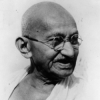
Mahatma Gandhi
Mohandas Karamchand Gandhi; 2 October 1869 – 30 January 1948) was the preeminent leader of the Indian independence movement in British-ruled India. Employing nonviolent civil disobedience, Gandhi led India to independence and inspired movements for civil rights and freedom across the world. The honorific Mahatma—applied to him first in 1914 in South Africa,—is now used worldwide. He is also called Bapuin India. In common parlance in India he is often called Gandhiji. He is unofficially called the Father of the Nation...
NationalityIndian
ProfessionCivil Rights Leader
Date of Birth2 October 1869
CityPortbandar, India
CountryIndia
Man, through the cow, is enjoined to realize his identity with all that lives.
A man of truth must ever be confident, if he has also equal need to be diffident.
If it is man's privilege to be independent, it is equally his duty to be inter - dependent.
That which makes man the mere plaything of fate is God.
The fact that mankind persists shows that the cohesive force is greater than the disruptive force, centripetal force greater than centrifugal.
A man's true wealth hereafter is the good he has done to his fellowmen.
Human dignity demands courage to defend oneself.
Mankind has to get out of violence only through non-violence.
No two men are absolutely alike, not even twins, yet there is much that is indispensably common to all mankind.
A man who wants to control his animal passions easily does so if he controls his palate.
All the great religions of the world inculcate equality and brotherhood of mankind and the virtue of toleration.
A selfish basis would not serve the purpose of taking a man higher and higher along the paths of evolution.
Every man has an equal right to the necessaries of life even as birds and beasts have.
Some form of common worship and a common place of worship appear to be a human necessity.