Margaret Chan
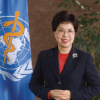
Margaret Chan
Margaret Chan Fung Fu-chun, OBE, JPis a Hong Kong Chinese and Canadian physician, who serves as the Director-General of the World Health Organizationfor 2006–17. Chan was elected by the Executive Board of WHO on 8 November 2006, and was endorsed in a special meeting of the World Health Assembly on the following day. Chan has previously served as Director of Health in the Hong Kong Government, representative of the WHO Director-General for Pandemic Influenza and WHO Assistant Director-General for Communicable...
NationalityChinese
ProfessionPublic Servant
CountryChina
There is a high degree of support for voluntary compliance with the International Health Regulations. It will help countries to build capacity.
The World Health Organization did a world health report in 2006. In the whole world about 60 countries are in dire situation in terms of having enough doctors. And many of these countries are in Sub-Saharan Africa. You know, that part of the world alone needs one million doctors.
Clearly, countries expressed the wish to have more. But at least we have something to rely upon for the time being.
Countries have improved since SARS. They understand the importance of responding and being as prompt and transparent as possible.
They have agreed to donate another 2 million courses, that is 20 million doses, for use by affected countries who reported human cases to reduce morbidity and mortality and to delay the spread of the infection.
SARS was a very important event... And many countries have learned from SARS... The SARS event sort of gave them additional impetus and the sense of urgency for them to really revise the International Health Regulations.
There has been a meeting and discussions are still in progress. The talks have been taking place between the two sides here and in the United States.
We cannot think of the old days when we were dealing with SARS. It's a totally different ballgame now.
With increased surveillance its not unusual that you would pick up more cases.
Based on assessment of all available information and following several expert consultations, I have decided to raise the current level of influenza pandemic alert from phase 4 to phase 5.
While we cannot predict when or if the H5N1 virus might spark a pandemic, we cannot ignore the warning signs, ... For the first time in human history, we have a chance to prepare ourselves for a pandemic before it arrives.
When is the next time? We don't have a time frame. I suspect it will likely to be November, if history is anything to go by.
I am encouraged that more work has been done in the last few months compared to before. But still there are many gaps that we need to fill in terms of human and laboratory capacity and infrastructure.
No one can say when this will end.