David Oyelowo
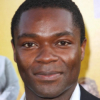
David Oyelowo
David Oyetokunbo Oyelowo, OBE is a African actor and producer. He has played supporting roles in the films Rise of the Planet of the Apes, Middle of Nowhere, Lincoln, and garnered praise for portraying Louis Gaines in The Butler. On television, he played MI5 officer Danny Hunter in the British series Spooks, and as of 2014, provides the voice of Imperial Security Bureau Agent Kallus on the animated series Star Wars Rebels. In 2014, Oyelowo played Martin Luther King, Jr...
NationalityEnglish
ProfessionTV Actor
Date of Birth1 April 1976
CityOxford, England
I know for a fact the reason I'm an actor is because one, two, maybe three people when I was younger saw something that I did, in youth theater or some small play somewhere, and said, "You're good."
I do think opportunity breeds bravery. It's such a competitive profession, no one owes you anything, talent in itself is not enough. I went to drama school with so many great actors who are not doing it anymore and it's circumstantial.
One of the occupational hazards of being an actor, the reason why so many actors are insecure, is that the only way we know we're good is when other people tell us.
I think what a lot of people don't realize is how much being the leader of this movement weighed upon him. After all, he [Dr. Martin Luter King] was only 39 years-old when he was assassinated, and only 36 during the Selma campaign. He always seemed older than he actually was, and I believe part of that had to do with just how much life he had to live in order to lead this movement.
I'm one of those actors who says, "Point me toward the work that matters to me and I don't care where you're putting it. Television show. Movie. Projected on the back of someone's garage." If that's where the work is that's exciting to me and moving, I want to be there.
I feel television is in a fantastically rich vein of what it's presenting both by opportunity to actors and to audiences.
When you reflect upon the significance of Dr. King to this nation, it's criminal that he hasn't had a feature film that was centered around him until now. That, in and of itself, was emotional. But when you're doing scenes on the Edmund Pettus Bridge, with people still living in Selma and now in their 60s and 70s who had actually marched, who were there that original Bloody Sunday, that's humbling... that's deeply moving. You're no longer acting at that stage, you're just reacting, because it takes the filmmaking process to another dimension.
You're always looking for roles and other creatives who are going to be challenging to you, because you're always a better actor after the experience.
I certainly don't feel there's a distinction to be made between a television and a film actor. I think there's a distinction between great actors and not so great actors. But I really think if you watch a person working in television give a wonderful performance, that person is f - ing great, because there is no time.
Hate cannot overcome hate; only love can do that.
Whether we like to admit it or not, as artists, we do project our own worldview on to what we do.
As you know, Sunday at 11 o'clock is the most segregated hour in America. You have black churches; you have white churches; you have Hispanic churches. It's not really reflective of the world we live in, by and large, in America.
I love tennis, love it!
My parents are very hard working people who did everything they could for their children. I have two brothers and they worked dog hard to give us an education and provide us with the most comfortable life possible. My dad provided for his family daily. So, yes, that is definitely in my DNA.