Thomas Hobbes
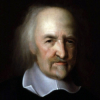
Thomas Hobbes
Thomas Hobbes of Malmesbury, in some older texts Thomas Hobbs of Malmsbury, was an English philosopher, best known today for his work on political philosophy. His 1651 book Leviathan established social contract theory, the foundation of most later Western political philosophy...
NationalityEnglish
ProfessionPhilosopher
Date of Birth5 April 1588
apparent either future obtain original power present
The power of a man, to take it universally, is his present means, to obtain some future apparent good; and is either original or instrumental.
war men authority-and-power
During the time men live without a common power to keep them all in awe, they are in that conditions called war; and such a war, as if of every man, against every man.
authority-and-power desire leviathan
I put for the general inclination of all mankind, a perpetual and restless desire of power after power, that ceaseth only in death.
power reputation
The reputation of power IS power.
powerful people atheism
In a Democracy, look how many Demagogs that is how many powerful Orators there are with the people.
power long leviathan
The obligation of subjects to the sovereign is understood to last as long, and no longer, than the power lasteth by which he is able to protect them.
english-philosopher money reckon wise words
Words are wise men's counters, they do but reckon with them, but they are the money of fools.
apply bestows english-philosopher equal equally prudence themselves
Prudence is but experience, which equal time, equally bestows on all men, in those things they equally apply themselves unto.
english-philosopher nature state
In the state of nature profit is the measure of right.
fear himself invisible natural religion
Fear of things invisible in the natural seed of that which everyone in himself calleth religion.
believing force
Not believing in force is the same as not believing in gravitation.
life philosophical men
The privilege of absurdity; to which no living creature is subject, but man only.
danger fear life short violent worst
No arts; no letters; no society; and which is worst of all, continual fear and danger of violent death; and the life of man, solitary, poor, nasty, brutish, and short
approve call english-philosopher heresy private signifies
They that approve a private opinion, call it an opinion; but they that mislike it, heresy: and yet heresy signifies no more than private opinion.