Niccolo Machiavelli
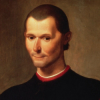
Niccolo Machiavelli
Niccolò di Bernardo dei Machiavelliwas an Italian Renaissance historian, politician, diplomat, philosopher, humanist, and writer. He has often been called the founder of modern political science. He was for many years a senior official in the Florentine Republic, with responsibilities in diplomatic and military affairs. He also wrote comedies, carnival songs, and poetry. His personal correspondence is renowned in the Italian language. He was secretary to the Second Chancery of the Republic of Florence from 1498 to 1512, when...
NationalityItalian
ProfessionPhilosopher
Date of Birth3 May 1469
CityFlorence, Italy
CountryItaly
One should never permit a disorder to persist in order to avoid a war, for wars cannot be avoided and can only be deferred to the advantage of others.
Cruelties should be committed all at once.
He who would foresee what is to happen should look to what has happened: for all that is has its counterpart in time past.
(A ruler) cannot and should not keep his word when to do so would go against his interests or when the reason he pledged it no longer holds.
One should never risk one's whole fortune unless supported by one's entire forces.
One should never fall in the belief that you can find someone to pick you up.
There should be many judges, for few will always do the will of few.
No one should therefore fear that he cannot accomplish what others have accomplished, for, men are born, live, and die in quite the same way they always have.
For a prince should have two fears: one, internal concerning his subjects; the other, external, concerning foreign powers. From the latter he can always defend himself by his good troops and friends; and he will always have good friends if he has good troops.
A wise ruler should rely on what is under his own control, not on what is under the control of others.
The leader should know how to enter into evil when necessity commands.
There is nothing more difficult to take in hand, more perilous to conduct or more uncertain in its success than to take the lead in the introduction of a new order of things.
Wise men say, and not without reason, that whoever wished to foresee the future might consult the past.
May princes know then that they begin to lose (their) state at that hour in which they begin to break the laws and those customs and usages that are ancient and under which men have lived for a long time