Malorie Blackman
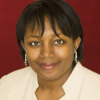
Malorie Blackman
Malorie Blackman, OBE, is a British writer who held the position of Children's Laureate from 2013 to 2015. She primarily writes literature and television drama for children and young adults. She has used science fiction to explore social and ethical issues. Her critically and popularly acclaimed Noughts and Crosses series uses the setting of a fictional dystopia to explore racism...
NationalityBritish
ProfessionYoung Adult Author
Date of Birth8 February 1962
CityLondon, England
adventures books disabled include nor stories travellers
In a television interview, I said that diversity in our children's books should include the adventures of disabled children, travellers and gipsies, LGBT teens, different cultures, classes, colours, religions. It shouldn't be a token gesture, nor do such stories need to be 'issue-based'.
believe felt knew life preach reflected trying
I personally, as a teenager, didn't like books I felt were trying to preach to me... I did not believe in happy endings. I wanted to read books which reflected life as I thought I knew it.
black children good perhaps white
Children will go with any story as long as it's good, but white adults sometimes think that if a black child's on the cover, it is perhaps not for them.
bills few love lucky
I'm one of the few adults lucky enough to love their job. And when you've got bills to pay, you get on with it! I like challenges.
definition geek happily high iq keen online pick proclaim school subscribe urban whose
I subscribe to the online Urban Dictionary's definition of nerd: 'one whose IQ exceeds his weight'. I'm also keen on the same Urban Dictionary's definition of geek: 'the person you pick on in high school and wind up working for as an adult'. I happily proclaim myself a book nerd/reading geek and proud of it.
anywhere chance desperate highly places unsuitable widely
I read a lot of highly unsuitable books for an 11-year-old. I was desperate to read as widely as possible. I thought, 'There are so many places I am never going to get the chance to visit, but I can if I read them.' And I did. I could go anywhere in the world - and off it - by reading.
life
When life knocks you down, keep getting up.
brilliant great halfway realised spin work wrote
When I wrote 'Noughts and Crosses', I was halfway through it when I realised this was very like 'Romeo and Juliet'... as long as you make it your own, and put your own spin on it, I think it's brilliant to use other great work to find your own voice.
best children laureate teens
The best thing about being Children's Laureate has definitely been all the children and teens I've met.
attitude laureate liked opportunity rule supposed tiny worst
The worst thing about being the laureate has been the attitude of a tiny minority of adults who haven't liked some of the things I'm supposed to have said and who have used it as an opportunity to be verbally abusive and nasty, but I haven't let it rule my world!
diverse graphic horizons narrative promoting stories translated writers
I try to widen the horizons of every child I meet, and part of that is promoting diverse forms, be it graphic novels, stories told in a narrative voice, or more translated books, as well as more diverse writers and more diverse characters.
books jane local looks loved moved myths nobody rely seriously seven spirit time
I started reading seriously at seven or eight, books about myths and legends, the Narnia series. By the time I was 11, I had read all the children's books in my local library, so I moved on to 'Jane Eyre.' What I loved about Jane Eyre was that she didn't rely on her looks but her character. She had a spirit nobody could break.
creative dynamic fade left people spark teenagers
Teenagers are some of the most passionate, dynamic and creative people I know. Yet, too often, this creative spark is left to flicker precariously and sometimes fade entirely.
noughts-and-crosses forgotten unsaid
And things go unsaid soon get forgotten