Joe Klein
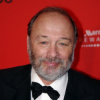
Joe Klein
Joe Kleinis a political columnist for Time magazine and is known for his novel Primary Colors, an anonymously written roman à clef portraying Bill Clinton's first presidential campaign. Klein is currently a member of the Council on Foreign Relations and is a former Guggenheim Fellow. In April 2006 he published Politics Lost, a book on what he calls the "pollster–consultant industrial complex." He has also written articles and book reviews for The New Republic, The New York Times, The Washington...
NationalityAmerican
ProfessionJournalist
Date of Birth7 September 1946
CountryUnited States of America
In 2012 there was a megafoolish, if well-funded, effort by a group called Americans Elect to raise an independent Cincinnatus to run for president via an Internet draft. It flopped, spectacularly.
If there was one fact that sent me hurtling off to write 'Politics Lost,' it was when I learned that John Kerry had focus-grouped Abu Ghraib. We knew about the Justice Department memo in June of 2004, and Kerry didn't raise that in any one of his three debates with George Bush.
When politicians began to see that every last thing that they did in public could be broadcast to a mass audience, the fact that the stakes were so much higher now that every moment became fraught caused them to become more cautious, and the consultants very gradually but inevitably became literal reactionaries.
Ever since the George McGovern disaster of 1972, the party has routinely chosen technocratic moderates for standard-bearers.
It will make sure players have best spots available for playing time. It will better allow communication with the major leagues and, for the agents, it's almost like one-stop shopping.
A lot of it was purely fictional, speculation on my part. I figured the reaction from the White House was that whoever wrote this thing had no idea what the Clintons were all about. Then, shockingly, people in the White House started accusing each other of having written it. That reaction was what really set if off.
A lot of it was purely fictional, speculation on my part, ... I figured the reaction from the White House was that whoever wrote this thing had no idea what the Clintons were all about. Then, shockingly, people in the White House started accusing each other of having written it. That reaction was what really set if off.
There's a basic law, Klein's second, or third, or fourth law of politics in the TV age, which is warm always beats cold, with the exception of Richard Nixon. The nicer guy usually wins.
This dilettante notion that the global economy is evil because big corporate leaders make too much money... they do make too much money, but the only way we've figured out how to generate wealth in this world is through the market economy.
The response by Microsoft is essentially a meaningless response,
Affirmative action was never a very elegant solution to the problem of racial injustice.
If every American automatically has health coverage, the age at which Medicare kicks in becomes a less fraught issue. We could gradually raise the age of Medicare eligibility a bit, according to income, and save money.
We should never go to war unless we have been attacked or are under direct, immediate threat of attack. Never. And never again.
I came to political consciousness with John F. Kennedy's magnificent 1961 Inaugural Address. It seemed the start of something fresh and exciting, and it was.