Jane Austen
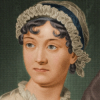
Jane Austen
Jane Austenwas an English novelist known primarily for her six major novels which interpret, critique and comment upon the life of the British landed gentry at the end of the 18th century. Her most highly praised novel during her lifetime was Pride and Prejudice, her second published novel. Austen's plots often explore the dependence of women on marriage in the pursuit of favorable social standing and economic security...
NationalityBritish
ProfessionNovelist
Date of Birth16 December 1775
CitySteventon, England
Sometimes one is guided by what they say of themselves, and very frequently by what other people say of them, without giving oneself time to deliberate and judge." -Elinor Dashwood
You think me foolish to call instruction a torment, but if you had been as much used as myself to hear poor little children first learning their letters and then learning to spell, if you had ever seen how stupid they can be for a whole morning together, and how tired my poor mother is at the end of it, as I am in the habit of seeing almost every day of my life at home, you would allow that to torment and to instruct might sometimes be used as synonymous words.
She wished such words unsaid with all her heart
…but then I am unlike other people I dare say.
Catherine had never wanted comfort more, and [Henry] looked as if he was aware of it.
Elizabeth had never been more at a loss to make her feelings appear what they were not. It was necessary to laugh, when she would rather have cried.
Oh! Single, my dear, to be sure! A single man of large fortune; four or five thousand a year. What a fine thing for our girls!
If a woman is partial to a man, and does not endeavour to conceal it, he must find it out." -Elizabeth
What one means one day, you know, one may not mean the next. Circumstances change, opinions alter.
Time, time will heal the wound.
Yet there it was not love. It was a little fever of admiration; but it might, probably must, end in love with some
She knew that when she played she was giving pleasure only to herself; but this was no new sensation
Those who have not more must be satisfied with what they have.
She was happy, she knew she was happy, and knew she ought to be happy.