Jane Austen
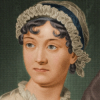
Jane Austen
Jane Austenwas an English novelist known primarily for her six major novels which interpret, critique and comment upon the life of the British landed gentry at the end of the 18th century. Her most highly praised novel during her lifetime was Pride and Prejudice, her second published novel. Austen's plots often explore the dependence of women on marriage in the pursuit of favorable social standing and economic security...
NationalityBritish
ProfessionNovelist
Date of Birth16 December 1775
CitySteventon, England
Everybody likes to go their own way–to choose their own time and manner of devotion.
I do not think I ever opened a book in my life which had not something to say upon woman's inconstancy. Songs and proverbs, all talk of woman's fickleness. But perhaps you will say, these were all written by men.
She hoped to be wise and reasonable in time; but alas! Alas! She must confess to herself that she was not wise yet.
Dress is at all times a frivolous distinction, and excessive solicitude about it often destroys its own aim.
Our scars make us know that our past was for real
Nobody minds having what is too good for them.
A fondness for reading, properly directed, must be an education in itself.
Sitting with her on Sunday evening — a wet Sunday evening — the very time of all others when if a friend is at hand the heart must be opened, and every thing told…
The longer they were together the more doubtful seemed the nature of his regard, and sometimes for a few painful minutes she believed it to be no more than friendship
Oh, Lizzy! do anything rather than marry without affection.
I lay it down as a general rule, Harriet, that if a woman doubts as to whether she should accept a man or not, she certainly ought to refuse him.
Her heart did whisper that he had done it for her.
The more I see of the world, the more am I dissatisfied with it.
To wish was to hope, and to hope was to expect