E. M. Forster
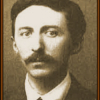
E. M. Forster
Edward Morgan Forster OM CHwas an English novelist, short story writer, essayist and librettist. He is known best for his ironic and well-plotted novels examining class difference and hypocrisy in early 20th-century British society. Forster's humanistic impulse toward understanding and sympathy may be aptly summed up in the epigraph to his 1910 novel Howards End: "Only connect ... ". His 1908 novel, A Room with a View, is his most optimistic work, while A Passage to Indiabrought him his greatest success. He was...
NationalityEnglish
ProfessionNovelist
Date of Birth1 January 1879
Think before you speak is criticism's motto; speak before you think, creation's.
Death destroys a man, but the idea of death saves him.
At the moment they vanished they were everywhere, the cool benediction of the night descended, the stars sparkled, and the whole universe was a hill.
A poem is true if it hangs together. Information points to something else. A poem points to nothing but itself.
The work of art assumes the existence of the perfect spectator, and is indifferent to the fact that no such person exists.
I'm a holy man minus the holiness.
Charm, in most men and nearly all women, is a decoration.
Creative writers are always greater than the causes that they represent.
People have their own deaths as well as their own lives, and even if there is nothing beyond death, we shall differ in our nothingness.
History develops, art stands still.
Like all her friends, I miss her greatly...But...I am sure there is no case for lamentation...Virginia Woolf got through an immense amount of work, she gave acute pleasure in new ways, she pushed the light of the English language a little further against darkness. Those are facts.
Love and understand the Italians, for the people are more marvellous than the land.
A happy ending was imperative. I shouldn't have bothered to write otherwise. I was determined that in fiction anyway two men should fall in love and remain in it for the ever and ever that fiction allows, and in this sense, Maurice and Alec still roam the greenwood.
It is thus, if there is any rule, that we ought to die--neither as victim nor as fanatic, but as the seafarer who can greet with an equal eye the deep that he is entering, and the shore that he must leave.