E. M. Forster
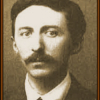
E. M. Forster
Edward Morgan Forster OM CHwas an English novelist, short story writer, essayist and librettist. He is known best for his ironic and well-plotted novels examining class difference and hypocrisy in early 20th-century British society. Forster's humanistic impulse toward understanding and sympathy may be aptly summed up in the epigraph to his 1910 novel Howards End: "Only connect ... ". His 1908 novel, A Room with a View, is his most optimistic work, while A Passage to Indiabrought him his greatest success. He was...
NationalityEnglish
ProfessionNovelist
Date of Birth1 January 1879
Some leave our life with tears, others with an insane frigidity; Mrs. Wilcox had taken the middle course, which only rarer natures can pursue. She had kept proportion. She had told a little of her grim secret to her friends, but not too much; she had shut up her heart--almost, but not entirely. It is thus, if there is any rule, that we ought to die--neither as victim nor as fanatic, but as the seafarer who can greet with an equal eye the deep that he is entering, and the shore that he must leave.
I won't be protected. I will choose for myself what is ladylike and right. To shield me is an insult.
If Miss Honeychurch ever takes to live as she plays, it will be very exciting--both for us and for her.
She stopped and leant her elbows against the parapet of the embankment. He did likewise. There is at times a magic in identity of position; it is one of the things that have suggested to us eternal comradeship.
Do we find happiness so often that we should turn it off the box when it happens to sit there?
By the side of the everlasting Why there is a Yes--a transitory Yes if you like, but a Yes.
We move between two darknesses.
Let us think of people as starting life with an experience they forget and ending it with one which they anticipate but cannot understand.
The sun was already declining and each of the trees held a premonition of night.
A funeral is not death, any more than baptism is birth or marriage union. All three are the clumsy devices, coming now too late, now too early, by which Society would register the quick motions of man.
She only felt that the candle would burn better, the packing go easier, the world be happier, if she could give and receive some human love.
But the body is deeper than the soul and its secrets inscrutable.
Our life on earth is, and ought to be, material and carnal. But we have not yet learned to manage our materialism and carnality properly; they are still entangled with the desire for ownership.
The traveller who has gone to Italy to study the tactile values of Giotto, or the corruption of the Papacy, may return remembering nothing but the blue sky and the men and women who live under it.