E. B. White
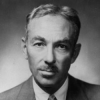
E. B. White
Elwyn Brooks "E. B." White was an American writer. He was a contributor to The New Yorker magazine and a co-author of the English language style guide The Elements of Style, which is commonly known as "Strunk & White". He also wrote books for children, including Stuart Little, Charlotte's Web, and The Trumpet of the Swan. Charlotte's Web was voted the top children's novel in a 2012 survey of School Library Journal readers, an accomplishment repeated in earlier surveys...
NationalityAmerican
ProfessionWriter
Date of Birth11 July 1899
CountryUnited States of America
If you are going to buy a car from your neighbor down the street, there is a process that goes into that.
If you are cold at night, let the promise of my love cover you like a warm blanket
If thousands of demonstrators are coming to Los Angeles and the police say simply that no one can demonstrate, ... that creates the dynamic where problems can occur.
If the House can get it done, I think the Senate could, but I'm not optimistic,
He was an awesome guy. He had a heart as big as the world.
What makes Renaissance special is our kids. One, it's the best public school in the nation academically. And, two, they come here to win. They don't want to come to a school with tradition and not win. You talk about experience.
The people who are supposed to be protectors of wildlife should have a better understanding of the wildlife they are supposed to protect.
We think gene expression is a major part of what separates chimps and humans.
We're one of the highest rated shows on television for males between 18 and 34.
We're not worried about getting wet, You'll get fresh water and saltwater -- woo!
When hotels close it causes a serious loss, not only in terms of room sales, but also in terms of jobs and tax revenues.
When her support system broke down here in Michigan, ... she was faced with some tough decisions.
What is a park really? ... We don't have access to it anyway. So I look out the back and I see some trees, but we have trees behind us anyway.
We've got to get the pitching under control where it can keep us in games.