E. B. White
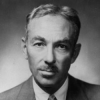
E. B. White
Elwyn Brooks "E. B." White was an American writer. He was a contributor to The New Yorker magazine and a co-author of the English language style guide The Elements of Style, which is commonly known as "Strunk & White". He also wrote books for children, including Stuart Little, Charlotte's Web, and The Trumpet of the Swan. Charlotte's Web was voted the top children's novel in a 2012 survey of School Library Journal readers, an accomplishment repeated in earlier surveys...
NationalityAmerican
ProfessionWriter
Date of Birth11 July 1899
CountryUnited States of America
We missed a lot of tackles, and to beat a team like that you have to do a better job of tackling.
We went after the worst of the worst and told them, 'You will not commit crimes here any longer,'
We felt Brandon would have some opportunities in this game. He needed to take advantage of them and he did. He's been playing at a high level and he's been a tremendous spark in every football game we've played.
We felt at the time of the initial offer that there was no way they'd be able to do it as cheaply as we do it ourselves, but out of fairness we went through the process and let them work the figures out,
This obviously means that (the Main Street) part of the river park is going to cost more.
We are very pleased to sponsor this program; a follow up to our highly successful conference last April. We believe that the time has come to inform and educate the county on the power and influence of this little known and underreported dimension of the Religious Far Right,
We are going to focus on more important issues.
We've had two hurricanes hit the Gulf coast already,
We've had requests from people to organize their houses, their offices -- home office or business office. We'll do house-sittings, even pet-sittings, we'll go to your house and take care of your pet.
We've got 80 minutes and it could be the best 80 minutes of South Africa's rugby history for a long time. You can't make it any bigger than it is. To win tomorrow you win the Tri-Nations, you win back-to-back Tri-Nations, you go to number one in the world, you beat the All Blacks three times in succession, you can't try to make it any bigger. No South African side has won here (in Dunedin) since 1921. The more you talk about it the more you appreciate just how big this fixture is.
To me, if the Coast Guard said it, then this is the record as far as I'm concerned. That's the time to beat. I'm not one for records. I know it's important for him, but the thing is he did it. He pulled it off.
There is a lot of memorabilia here. We have kitchen equipment. We have banquet equipment. We have about 7,000 dishes. We have enough carpet for five miles of carpeting.
The public has the right to know why the police took the action they did, and that information is available to the public only if search warrant affidavits and arrest warrant affidavits are public.
The reason that countries are using lousy drugs to treat malaria is that they can't afford better drugs.