Aeschylus
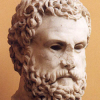
Aeschylus
Aeschyluswas an ancient Greek tragedian. His plays, alongside those of Sophocles and Euripides, are the only works of Classical Greek literature to have survived. He is often described as the father of tragedy: critics and scholars' knowledge of the genre begins with his work, and understanding of earlier tragedies is largely based on inferences from his surviving plays. According to Aristotle, he expanded the number of characters in theater to allow conflict among them, whereas characters previously had interacted only...
NationalityGreek
ProfessionPoet
kindness kind
Everyone, to those weaker than themselves, is kind.
soul flow calm
Be it mine to draw from wisdom's fount, pure as it flows, that calm of soul which virtue only knows.
law states
The laws of a state change with the changing times.
power mood
Who holds a power but newly gained is ever stern of mood.
success men knees
Success! to thee, as to a God, men bend the knee.
heaven persuasion aloof
From him [Death] alone of all the powers of heaven Persuasion holds aloof.
men helping destruction
When a man takes the road to destruction, the gods help him along.
past accomplishment mercy
Only one accomplishment is beyond both the power and the mercy of the Gods. They cannot make the past as though it had never been.
war giving witness
Ares gives his verdict without witnesses.
envied ifs
If you are not envied, you are not enviable.
dream children men
Old men are children once again a dream that sways and wavers into the hard light of day.
men justice hypocrisy
Many among men are they who set high the show of honor, yet break justice.
sweet pain hands
For sufferers it is sweet to know before-hand clearly the pain that still remains for them.
party prejudice half
He hears but half who hears one party only.