William Shakespeare
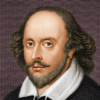
William Shakespeare
William Shakespeare – 23 April 1616) was an English poet, playwright, and actor, widely regarded as the greatest writer in the English language and the world's pre-eminent dramatist. He is often called England's national poet, and the "Bard of Avon". His extant works, including collaborations, consist of approximately 38 plays, 154 sonnets, two long narrative poems, and a few other verses, some of uncertain authorship. His plays have been translated into every major living language and are performed more often than...
NationalityEnglish
ProfessionPlaywright
Date of Birth23 April 1564
The purest treasure mortal times afford, is spotless reputation; that away, men are but gilded loam or painted clay.
Concerning God, free will and destiny: Of all that earth has been or yet may be, all that vain men imagine or believe, or hope can paint or suffering may achieve, we descanted.
Thine eyes I love, and they as pitying me, Knowing thy heart torment me with disdain, Have put on black, and loving mourners be, Looking with pretty ruth upon my pain.
They say, the tongues of dying men Enforce attention, like deep harmony; Where words are scarce, they're seldom spent in vain; For they breathe truth, that breathe their words in pain.
Be wise as thou art cruel, do not press My tongue-tied patience with too much disdain: Lest sorrow lend me words and words express, The manner of my pity-wanting pain...
A thousand moral paintings I can show That shall demonstrate these quick blows of Fortune's More pregnantly than words.
Preposterous ass, that never read so far to know the cause why music was ordain'd! Was it not to refresh the mind of man, after his studies or his usual pain?
O, this life Is nobler than attending for a check, Richer than doing nothing for a robe, Prouder than rustling in unpaid-for silk: Such pain the cap of him that makes him fine Yet keeps his book uncrossed.
Tut, man, one fire burns out another's burning; One pain is less'ned by another's anguish; Turn giddy, and be holp by backward turning; One desperate grief cures with another's languish.
Why, all delights are vain, but that most vain Which, with pain purchased, doth inherit pain: As, painfully to pore upon a book, To seek the light of truth, which truth the while Doth falsely blind the eyesight of his look.
Therefore, to be possessed with double pomp,To guard a title that was rich before,To gild refined gold, to paint the lily,To throw a perfume on the violet,To smooth the ice, or add another hueUnto the rainbow, or with taper lightTo seek the beauteous eye of heaven to garnish,Is wasteful and ridiculous excess.
O, but they say, the tongues of dying men enforce attention, like deep harmony: where words are scarce, they are seldom spent in vain: for they breathe truth, that breathe their words in pain. he, that no more must say, is listened more than they whom youth and ease have taught to gloze; more are men's ends marked, than their lives before: the setting sun, and music at the close, as the last taste of sweets, is sweetest last; writ in rememberance more than things long past
A Devil, a born Devil on whose nature, nurture can never stick, on whom my pain, humanly taken, all lost, quite lost...
Against my will I am sent to bid you come in to dinner. BENEDICK Fair Beatrice, I thank you for your pains. BEATRICE I took no more pains for those thanks than you take pains to thank me: if it had been painful, I would not have come. BENEDICK You take pleasure then in the message? BEATRICE Yea, just so much as you may take upon a knife's point ... You have no stomach, signior: fare you well. Exit BENEDICK Ha! 'Against my will I am sent to bid you come in to dinner;' there's a double meaning in that... (Much Ado About Nothing)