William Hazlitt
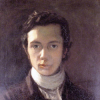
William Hazlitt
William Hazlittwas an English writer, drama and literary critic, painter, social commentator, and philosopher. He is now considered one of the greatest critics and essayists in the history of the English language, placed in the company of Samuel Johnson and George Orwell. He is also acknowledged as the finest art critic of his age. Despite his high standing among historians of literature and art, his work is currently little read and mostly out of print...
NationalityEnglish
ProfessionCritic
Date of Birth10 April 1778
comedy constantly destroys exposing follies food itself laughing leaves mankind naturally weaknesses wears worth
Comedy naturally wears itself out -- destroys the very food on which it lives; and by constantly and successfully exposing the follies and weaknesses of mankind to ridicule, in the end leaves itself nothing worth laughing at.
laughing weakness comedy
Comedy naturally wears itself out - destroys the very food on which it lives; and by constantly and successfully exposing the follies and weaknesses of mankind to ridicule, in the end leaves itself nothing worth laughing at.
weakness degrees liable
Weakness has its hidden resources, as well as strength. There is a degree of folly and meanness which we cannot calculate upon, and by which we are as much liable to be foiled as by the greatest ability or courage.
against beware branded degrading exercise idol liable power render rests themselves turns
The power rests with the multitude, but let them beware how the exercise of it turns against their own rights! It is not the idol but the worshippers that are to be dreaded, and who, by degrading one of their fellows, render themselves liable to be branded with the same indignities.
fewer good immediate impression judge less men objects truly women
Women have often more of what is called good sense then men. They have fewer pretensions; are less implicated in theories; and judge of objects more from their immediate and involuntary impression on the mind, and, therefore, more truly and naturally.
good repent
We as often repent the good we have done as the ill.
highest ill mankind perhaps wisdom wish
To think ill of mankind, and not to wish ill to them, is perhaps the highest wisdom and virtue.
chiefly free journey leave muse ourselves rid
We go a journey chiefly to be free of all impediments and of all inconveniences; to leave ourselves behind, much more to get rid of others. It is because I want a little breathing-space to muse on indifferent matters. . . .
forget largest truest
Those who have the largest hearts, have the soundest understandings; and he is the truest philosopher who can forget himself.
answering belief believe difference feeling left media paid spent swear truth turns
Belief is with them mechanical, voluntary: they believe what they are paid for -- they swear to that which turns to account. Do you suppose, that after years spent in this manner, they have any feeling left answering to the difference between truth and falsehood?
eyes sight sore
What a sight for sore eyes that would be!
anniversary birthday celebrate man money monuments notice
When a man is dead, they put money in his coffin, erect monuments to his memory, and celebrate the anniversary of his birthday in set speeches. Would they take any notice of him if he were living? No!
work
When I take up a work that I have read before (the oftener the better) I know what I have to expect. The satisfaction is not lessened by being anticipated.
drive likely mad preference truth
There is nothing more likely to drive a person mad than . . . an obstinate, constitutional preference of the truth to the agreeable.