William Hazlitt
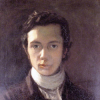
William Hazlitt
William Hazlittwas an English writer, drama and literary critic, painter, social commentator, and philosopher. He is now considered one of the greatest critics and essayists in the history of the English language, placed in the company of Samuel Johnson and George Orwell. He is also acknowledged as the finest art critic of his age. Despite his high standing among historians of literature and art, his work is currently little read and mostly out of print...
NationalityEnglish
ProfessionCritic
Date of Birth10 April 1778
creation knew tired
One is never tired of painting, because you have to set down, not what you knew already, but what you have just discovered. There is a continual creation out of nothing going on.
adopt grow hear others reconcile sell tired willing
We grow tired of ourselves, much more of other people. Use may in part reconcile us to our own tediousness, but we do not adopt that of others on the same paternal principle. We may be willing to sell a story twice, never to hear one more than once.
attentions ceremony paying people receive return shall soon tired toward treated
If we use no ceremony toward others, we shall be treated without any. People are soon tired of paying trifling attentions to those who receive them with coldness, and return them with neglect.
tired boredom painting
You are never tired of painting, because you have to set down not what you know already, but what you have just discovered.
tired grows defects
We grow tired of everything but turning others into ridicule, and congratulating ourselves on their defects.
soul desire tire
The contemplation of truth and beauty is the proper object for which we were created, which calls forth the most intense desires of the soul, and of which it never tires.
tired people attention
If we use no ceremony towards others, we shall be treated without any. People are soon tired of paying trifling attentions to those who receive them with coldness, and return them with neglect.
tired people grows
We grow tired of ourselves, much more of other people.
against beware branded degrading exercise idol liable power render rests themselves turns
The power rests with the multitude, but let them beware how the exercise of it turns against their own rights! It is not the idol but the worshippers that are to be dreaded, and who, by degrading one of their fellows, render themselves liable to be branded with the same indignities.
fewer good immediate impression judge less men objects truly women
Women have often more of what is called good sense then men. They have fewer pretensions; are less implicated in theories; and judge of objects more from their immediate and involuntary impression on the mind, and, therefore, more truly and naturally.
good repent
We as often repent the good we have done as the ill.
highest ill mankind perhaps wisdom wish
To think ill of mankind, and not to wish ill to them, is perhaps the highest wisdom and virtue.
chiefly free journey leave muse ourselves rid
We go a journey chiefly to be free of all impediments and of all inconveniences; to leave ourselves behind, much more to get rid of others. It is because I want a little breathing-space to muse on indifferent matters. . . .
forget largest truest
Those who have the largest hearts, have the soundest understandings; and he is the truest philosopher who can forget himself.