Ralph Waldo Emerson
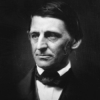
Ralph Waldo Emerson
Ralph Waldo Emerson, known professionally as Waldo Emerson, was an American essayist, lecturer, and poet who led the Transcendentalist movement of the mid-19th century. He was seen as a champion of individualism and a prescient critic of the countervailing pressures of society, and he disseminated his thoughts through dozens of published essays and more than 1,500 public lectures across the United States...
NationalityAmerican
ProfessionPoet
Date of Birth25 May 1803
CountryUnited States of America
I will not hide my tastes or aversions...If you are true, but not in the same truth with me, cleave to your companions; I will seek my own.
We imperatively require a perception of and a homage to beauty in our companions. Other virtues are in request in the field and workyard, but a certain degree of taste is not to be spared in those we sit with.
The clergyman who lives in the city may have piety, but he must have taste.
Let us learn the meaning of economy. Economy is a high human office,--a sacrament when its aim is grand, when it is the prudence of simple tastes, when it is practised for freedom or for love or devotion.
Genius has no taste for weaving sand.
It is in bad taste," is the most formidable word an Englishman can pronounce.
Men lose their tempers in defending their taste.
Wise men are not wise at all hours, and will speak five times from their taste or their humor, to once from their reason.
The best efforts of a fine person is felt after we have left their presence.
The best effect of fine persons is felt after we have left their presence
These times of ours are serious and full of calamity, but all times are essentially alike
Not in his goals but in his transitions is man great
A chief event in life is the day in which we have encountered a mind that startled us
In art the hand can never execute anything higher than the heart can inspire