Ralph Waldo Emerson
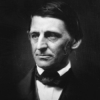
Ralph Waldo Emerson
Ralph Waldo Emerson, known professionally as Waldo Emerson, was an American essayist, lecturer, and poet who led the Transcendentalist movement of the mid-19th century. He was seen as a champion of individualism and a prescient critic of the countervailing pressures of society, and he disseminated his thoughts through dozens of published essays and more than 1,500 public lectures across the United States...
NationalityAmerican
ProfessionPoet
Date of Birth25 May 1803
CountryUnited States of America
The progress of religion is steadily to its identity with morals. Strength enters just as much as the moral element prevails.
Governments have their origin in the moral identity of men.
Natural religion supplies still all the facts which are disguised under the dogma of popular creeds. The progress of religion is steadily to its identity with morals.
One of the most wonderful things in nature is a glance of the eye; it transcends speech; it is the bodily symbol of identity.
Science is nothing but the finding of analogy, identity, in the most remote parts.
Is the acorn better than the oak which is its fullness and completion?
Harmony of aim, not identity of conclusion, is the secret of sympathetic life.
The best efforts of a fine person is felt after we have left their presence.
The best effect of fine persons is felt after we have left their presence
These times of ours are serious and full of calamity, but all times are essentially alike
Not in his goals but in his transitions is man great
A chief event in life is the day in which we have encountered a mind that startled us
In art the hand can never execute anything higher than the heart can inspire
Oh, tenderly the haughty day Fills his blue urn with fire