Ralph Waldo Emerson
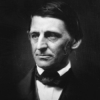
Ralph Waldo Emerson
Ralph Waldo Emerson, known professionally as Waldo Emerson, was an American essayist, lecturer, and poet who led the Transcendentalist movement of the mid-19th century. He was seen as a champion of individualism and a prescient critic of the countervailing pressures of society, and he disseminated his thoughts through dozens of published essays and more than 1,500 public lectures across the United States...
NationalityAmerican
ProfessionPoet
Date of Birth25 May 1803
CountryUnited States of America
The Sky is the daily bread of the imagination
He thought it happier to be dead, To die for Beauty, than live for bread
Money is the representative of a certain quantity of corn or other commodity. It is so much warmth, so much bread.
Health and appetite impart the sweetness to sugar, bread and meat.
To eat bread is one thing; to love the precepts of Christ and resolve to obey them is quite another.
I pray my companion, if he wishes for bread, to ask me for bread, and if he wishes for sassafras or arsenic, to ask me for them, and not to hold out his plate, as if I knew already.
Alas for the unhappy man that is called to stand in the pulpit, and not give the bread of life.
The finest poems of the world have been expedients to get bread.
As we are, so we associate. The good, by affinity, seek the good; the vile, by affinity, the vile. Thus of their own volition, souls proceed into Heaven, into Hell.
A man builds a fine house; and now he has a master, and a task for life: he is to furnish, watch, show it, and keep it in repair, the rest of his days.
Wherever the invitation of men or your own occasions lead you, speak the very truth, as your life and conscience teach it, and cheer the waiting, fainting hearts of men with new hope and new revelation.
We have listened too long to the courtly Muses of Europe.
Preaching is the expression of the moral sentiment in application to the duties of life.
Man is priest, and scholar, and statesman, and producer, and soldier.