John Milton
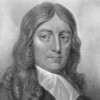
John Milton
John Miltonwas an English poet, polemicist, and man of letters, and a civil servant for the Commonwealth of England under Oliver Cromwell. He wrote at a time of religious flux and political upheaval, and is best known for his epic poem Paradise Lost, written in blank verse...
NationalityEnglish
ProfessionPoet
Date of Birth9 December 1608
consider dark days death half light spent talent
When I consider how my light is spent / Ere half my days in this dark world and wide, / And that one talent which is death to hide, / Lodged with me useless.
call half left
Or call up him that left half told / The story of Cambuscan bold.
change dim disastrous eclipse fear half twilight
In dim eclipse disastrous twilight sheds / On half the nations, and with fear of change / Perplexes monarchs.
half
To live a life half dead, a living death.
soul half thee
Part of my soul I seek thee, and claim thee my other half
fear twilight half
In dim eclipse, disastrous twilight sheds On half the nations, and with fear of change Perplexes monarchs.
chronicle fighting fights-and-fighting wars
To chronicle the wars of kites and crows, fighting in the air.
flown forth insolence night sons wander wine
When night Darkens the streets, then wander forth the sons Of Belial, flown with insolence and wine
faith angel wings
O welcome pure-eyed Faith, white handed Hope, Thou hovering angel girt with golden wings.
music sweet lying
Such sweet compulsion doth in music lie.
ambition reign serve though worth
To reign is worth ambition though in hell: Better to reign in hell, than serve in heav'n
darkness discover flames hope peace rather regions rest served shades sights visible
Yet from those flames / No light, but rather darkness visible / Served only to discover sights of woe, / Regions of sorrow, doleful shades where peace / And rest can never dwell, hope never comes / That comes to all.
hath love offense regain strange though
Yet beauty, though injurious, hath strange power, After offense returning, to regain Love once possess'd
astray behold head highest led near riding wandering wide
To behold the wandering moon, / Riding near her highest noon, / Like one that had been led astray / Through the heav'n's wide pathless way; / And oft, as if her head she bowed, / Stooping through a fleecy cloud.