Horace
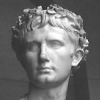
Horace
Quintus Horatius Flaccus, known in the English-speaking world as Horace, was the leading Roman lyric poet during the time of Augustus. The rhetorician Quintilian regarded his Odes as just about the only Latin lyrics worth reading: "He can be lofty sometimes, yet he is also full of charm and grace, versatile in his figures, and felicitously daring in his choice of words."...
NationalityRoman
ProfessionPoet
cutting iron vices
I will perform the function of a whetstone, which is about to restore sharpness to iron, though itself unable to cut. [Lat., Fungar vice cotis, acutum Reddere quae ferrum valet, exsors ipsi secandi.]
change vices rich
Change generally pleases the rich. [Lat., Plerumque gratae divitibus vices.]
pride purpose vices
A portion of mankind take pride in their vices and pursue their purpose; many more waver between doing what is right and complying with what is wrong.
vices fleeing virtue
Virtue consists in fleeing vice.
opposites fool vices
In avoiding one vice fools rush into the opposite extreme.
vices vain embrace
In vain will you fly from one vice if in your wilfulness you embrace another.
vices virtue avoiding
Virtue consists in avoiding vice, and is the highest wisdom. [Lat., Virtus est vitium fugere, et sapientia prima.]
lying two vices
Most virtue lies between two vices.
men vices born
No one is born without vices, and he is the best man who is encumbered with the least.
mind vices example
We are more speedily and fatally corrupted by domestic examples of vice, and particularly when they are impressed on our minds as from authority.
vices virtue lost
Virtue knows to a farthing what it has lost by not having been vice.
approval greek-poet pleasant
He gains everyone's approval who mixes the pleasant with the useful.
disgrace greek-poet keeps
The disgrace of others often keeps tender minds from vice.
greek-poet
He has the deed half done who has made a beginning.