Horace
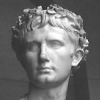
Horace
Quintus Horatius Flaccus, known in the English-speaking world as Horace, was the leading Roman lyric poet during the time of Augustus. The rhetorician Quintilian regarded his Odes as just about the only Latin lyrics worth reading: "He can be lofty sometimes, yet he is also full of charm and grace, versatile in his figures, and felicitously daring in his choice of words."...
NationalityRoman
ProfessionPoet
thinking may shoulders
Choose a subject equal to your abilities; think carefully what your shoulders may refuse, and what they are capable of bearing.
bears shoulders wells
Weigh well what your shoulders can and cannot bear.
sweet should ready
With you I should love to live, with you be ready to die.
should knows
It is not permitted that we should know everything.
fiction should please
Fiction intended to please, should resemble truth as much as possible.
men standards should
Every man should measure himself by his own standard. [Lat., Metiri se quemque suo modulo ac pede verum est.]
should-have opposites race
Resistance to improvement contradicts the noblest instincts of the race. It begets its opposite. The fanaticism of reform is only the raging of the accumulated waters caused by the obstructions which an ultra conservatism has thrown across the stream of progress; and revolution itself is but the sudden overwhelming and sweeping away of impediments that should have been seasonably removed.
office enemy should
A fellow and his business should be bosom friends in the office and sworn enemies out of it.
body stimulation should
Were we all one body, we should lose the tremendous stimulation that comes from the present arrangement, and I fear that our uniformity would become the uniformity of death and the tomb.
approval greek-poet pleasant
He gains everyone's approval who mixes the pleasant with the useful.
disgrace greek-poet keeps
The disgrace of others often keeps tender minds from vice.
greek-poet
He has the deed half done who has made a beginning.
discover greek-poet passed returns road strange travel
Strange - is it not? That of the myriads who Before us passed the door of Darkness through, Not one returns to tell us of the road Which to discover we must travel too.
greek-poet man
The man is either mad, or he is making verses.