Horace
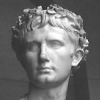
Horace
Quintus Horatius Flaccus, known in the English-speaking world as Horace, was the leading Roman lyric poet during the time of Augustus. The rhetorician Quintilian regarded his Odes as just about the only Latin lyrics worth reading: "He can be lofty sometimes, yet he is also full of charm and grace, versatile in his figures, and felicitously daring in his choice of words."...
NationalityRoman
ProfessionPoet
should knows
It is not permitted that we should know everything.
knows
Thou oughtest to know, since thou livest near the gods. [Lat., Scire, deos quoniam propius contingis, oportet.]
knowledge all-things knows
To know all things is not permitted.
knowledge knows
One cannot know everything.
office machines knows
To know the machine one must know where each part belongs, and what its office is.
truth needs knows
You need not tell all the truth, unless to those who have a right to know it; but let all you tell be truth.
men asks knows
Never ask a man what he knows, but what he can do.
approval greek-poet pleasant
He gains everyone's approval who mixes the pleasant with the useful.
disgrace greek-poet keeps
The disgrace of others often keeps tender minds from vice.
greek-poet
He has the deed half done who has made a beginning.
discover greek-poet passed returns road strange travel
Strange - is it not? That of the myriads who Before us passed the door of Darkness through, Not one returns to tell us of the road Which to discover we must travel too.
greek-poet man
The man is either mad, or he is making verses.
greek-poet struggle
It is when I struggle to be brief that I become obscure.
fear great greek-poet man pleasant seems tried
To have a great man for a friend seems pleasant to those who have never tried it; those who have, fear it.