Horace
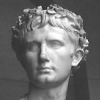
Horace
Quintus Horatius Flaccus, known in the English-speaking world as Horace, was the leading Roman lyric poet during the time of Augustus. The rhetorician Quintilian regarded his Odes as just about the only Latin lyrics worth reading: "He can be lofty sometimes, yet he is also full of charm and grace, versatile in his figures, and felicitously daring in his choice of words."...
NationalityRoman
ProfessionPoet
moon new-moon dies
Day is pushed out by day, and each new moon hastens to its death. [Lat., Truditur dies die, Novaeque pergunt interire lunae.]
death dies
I shall not altogether die.
latin dies
I shall not completely die.
latin want dies
I want to live, and die with you.
graves dies
I shall not wholly die, and a great part of me will escape the grave.
time doe dies
Damnosa quid non imminuit dies? What does not destructive time destroy?
difficult dies
It is far more difficult, I assure you, to live for the truth than to die for it.
approval greek-poet pleasant
He gains everyone's approval who mixes the pleasant with the useful.
disgrace greek-poet keeps
The disgrace of others often keeps tender minds from vice.
greek-poet
He has the deed half done who has made a beginning.
discover greek-poet passed returns road strange travel
Strange - is it not? That of the myriads who Before us passed the door of Darkness through, Not one returns to tell us of the road Which to discover we must travel too.
greek-poet man
The man is either mad, or he is making verses.
greek-poet struggle
It is when I struggle to be brief that I become obscure.
fear great greek-poet man pleasant seems tried
To have a great man for a friend seems pleasant to those who have never tried it; those who have, fear it.