H. G. Wells
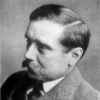
H. G. Wells
Herbert George Wells—known as H. G. Wells—was a prolific English writer in many genres, including the novel, history, politics, and social commentary, and textbooks and rules for war games. Wells is now best remembered for his science fiction novels, and is called the father of science fiction, along with Jules Verne and Hugo Gernsback. His most notable science fiction works include The Time Machine, The Island of Doctor Moreau, The Invisible Man, and The War of the Worlds. He was...
NationalityEnglish
ProfessionAuthor
Date of Birth21 September 1866
So it was that the war in the air began. Men rode upon the whirlwind that night and slew and fell like archangels. The sky rained heroes upon the astonished earth. Surely the last fights of mankind were the best. What was the heavy pounding of your Homeric swordsmen, what was the creaking charge of chariots, besides this swift rush, this crash, this giddy triumph, this headlong sweep to death?
He began to realize that you cannot even fight happily with creatures that stand upon a different mental basis to yourself.
The uglier a man's legs are, the better he plays golf - it's almost a law.
A downtrodden class... will never be able to make an effective protest until it achieves solidarity.
History is a race between education and catastrophe.
Some people bear three kinds of trouble - the ones they've had, the ones they have, and the ones they expect to have.
Go away. I'm all right. [last words]
By this time I was no longer very much terrified or very miserable. I had, as it were, passed the limit of terror and despair. I felt now that my life was practically lost, and that persuasion made me capable of daring anything
I never yet heard of a useless thing that was not ground out of existence by evolution sooner or later. Did you? And pain gets needless.
Nothing endures, nothing is precise and certain (except the mind of a pedant), perfection is the mere repudiation of that ineluctable marginal inexactitude which is the mysterious inmost quality of Being
It's no use locking the door after the steed is stolen.
The Anglo-Saxon genius for parliamentary government asserted itself; there was a great deal of talk and no decisive action.
The study of Nature makes a man at last as remorseless as Nature.
It is when suffering finds a voice and sets our nerves quivering that this pity comes troubling us.