Emily Dickinson
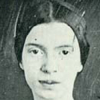
Emily Dickinson
Emily Elizabeth Dickinsonwas an American poet. Dickinson was born in Amherst, Massachusetts. Although part of a prominent family with strong ties to its community, Dickinson lived much of her life highly introverted. After studying at the Amherst Academy for seven years in her youth, she briefly attended the Mount Holyoke Female Seminary before returning to her family's house in Amherst. Considered an eccentric by locals, she developed a noted penchant for white clothing and became known for her reluctance to...
ProfessionPoet
Date of Birth10 December 1830
CityAmherst, MA
'Tis so much joy! 'Tis so much joy! If I should fail, what poverty! And yet, as poor as I Have ventured all upon a throw; Have gained! Yes! Hesitated so this side the victory!
I can wade Grief -- Whole Pools of it -- I'm used to that -- But the least push of Joy Breaks up my feet -- And I tip -- drunken -- Let no Pebble -- smile -- 'Twas the New Liquor -- That was all!
This so much joy! This so much joy! If I should fail, what poverty! And yet, as poor as I Have ventured all upon a throw; Have gained! Yes! Hesitated so this side the victory!
To possess is past the instant; we achieve the joy, immortality contented, were anomaly.
A Letter is a Joy of Earth - It is denied the Gods
For each ecstatic instant We must an anguish pay In keen and quivering ratio To the ecstasy.
That it shall never come again is what makes life so sweet
I like a look of Agony, because I know it's true -- men do not sham Convulsion, nor simulate, a Throe --
Superiority to fateIs difficult to learn.'Tis not conferred by anyBut possible to earn.
When I sound the fairy call, gather here in silent meeiing,Chin to knee on the orchard wall, cooled with dew and cherries eating.Merry, merry, take a cherry, mine are sounder, mine are rounder,Mine are sweeter for the eater, when the dews fall, and you'll be fairies all.
Anger as soon as fed is dead - 'Tis starving that makes it fat
Eden is that old-fashioned house we dwell in every day Without suspecting our abode, until we drive away
What fortitude the Soul contains, / That it can so endure / The accent of a coming Foot-- / The opening of a Door.
To whom the mornings are like nights, What must the midnights be!