Edward Gibbon
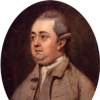
Edward Gibbon
Edward Gibbon FRS was an English historian, writer and Member of Parliament. His most important work, The History of the Decline and Fall of the Roman Empire, was published in six volumes between 1776 and 1788 and is known for the quality and irony of its prose, its use of primary sources, and its open criticism of organized religion...
NationalityEnglish
ProfessionHistorian
Date of Birth27 April 1737
active buried clergy con doctrines large last military patience portion preached private public remains society spirit virtues wealth
The clergy successfully preached the doctrines of patience and pusillanimity; the active virtues of society were discouraged; and the last remains of a military spirit were buried in the cloister: a large portion of public and private wealth was con
exercise government history
Under a democratical government the citizens exercise the powers of sovereignty; and those powers will be first abused, and afterwards lost, if they are committed to an unwieldy multitude.
memories writing practice
It has always been my practice to cast a long paragraph in a single mould, to try it by my ear, to deposit it in my memory, but to suspend the action of the pen till I had given the last polish to my work.
above common himself level man personal received rises
Every man who rises above the common level has received two educations: the first from his teachers; the second, more personal and important, from himself
wise history heaven
It is incumbent on us diligently to remember that the kingdom of heaven was promised to the poor in spirit, and that minds afflicted by calamity and the contempt of mankind cheerfully listen to the divine promise of future happiness; while, on the contrary, the fortunate are satisfied with the possession of this world; and the wise abuse in doubt and dispute their vain superiority of reason and knowledge.
character eye loss
We stand in need of such reflections to comfort us for the loss of some illustrious characters, which in our eyes might have seemed the most worthy of the heavenly present. The names of Seneca, of the elder and the younger Pliny, of Tacitus, of Plutarch, of Galen, of the slave Epictetus, and of the emperor Marcus Antoninus, adorn the age in which they flourished, and exalt the dignity of human natures.
hands law omnipotence
But how shall we excuse the supine inattention of the Pagan and philosophic world to those evidences which were presented by the hand of Omnipotence, not to their reason, but to their senses? During the age of Christ, of his apostles, and their first disciples, the doctrine which they preached was confirmed by innumerable prodigies. The lame walked, the blind saw, the sick were healed, the dead were raised, daemons were expelled, and the laws of Nature were frequently suspended for the benefit of the church.
government rome history
But the sages of Greece and Rome turned aside from the awful spectacle, and, pursuing the ordinary occupations of life and study, appeared unconscious of any alterations in the moral of physical government of the world.
distance views flames
The sectaries of a persecuted religion, depressed by fear, animated with resentment, and perhaps heated by enthusiasm, are seldom in a proper temper of mind calmly to investigate, or candidly to appreciate, the motives of their enemies, which often escape the impartial and discerning view even of those who are placed at a secure distance from the flames of persecution.
past tyrants history
History, which undertakes to record the transactions of the past, for the instruction of future ages, would ill deserve that honourable office if she condescended to plead the cause of tyrants, or to justify the maxims of persecution.
law history curiosity
This variety of objects will suspend, for some time, the course of the narrative; but the interruption will be censured only by those readers who are insensible to the importance of laws and manners, while they peruse, with eager curiosity, the transient intrigues of a court, or the accidental event of a battle.
grateful blessing history
The barbarians of Germany had felt, and still dreaded, the arms of the young Caesar; his soldiers were the companions of his victory; the grateful provincials enjoyed the blessings of his reign; but the favourites, who had opposed his elevation, were offended by his virtues; and they justly considered the friend of the people as the enemy of the court.
retirement philosophy greatness
Philosophy had instructed Julian to compare the advantages of action and retirement; but the elevation of his birth and the accidents of his life never allowed him the freedom of choice. He might perhaps sincerely have preferred the groves of the Academy and the society of Athens; but he was constrained, at first by the will, and afterwards by the injustice of Constantius, to expose his person and fame to the dangers of Imperial greatness; and to make himself accountable to the world and to posterity for the happiness of millions.
character history people
If Julian had flattered himself that his personal connexion with the capital of the East would be productive of mutual satisfaction to the prince and people, he made a very false estimate of his own character, and of the manners of Antioch. The warmth of the climate disposed the natives to the most intemperate enjoyment of tranquillity and opulence; and the lively licentiousness of the Greeks was blended with the hereditary softness of the Syrians.