Edward Gibbon
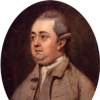
Edward Gibbon
Edward Gibbon FRS was an English historian, writer and Member of Parliament. His most important work, The History of the Decline and Fall of the Roman Empire, was published in six volumes between 1776 and 1788 and is known for the quality and irony of its prose, its use of primary sources, and its open criticism of organized religion...
NationalityEnglish
ProfessionHistorian
Date of Birth27 April 1737
exercise greatness mind
The ascent to greatness, however steep and dangerous, may entertain an active spirit with the consciousness and exercise of its own power: but the possession of a throne could never yet afford a lasting satisfaction to an ambitious mind.
mind age may
The ruin of Paganism, in the age of Theodosius, is perhaps the only example of the total extirpation of any ancient and popular superstition; and may therefore deserve to be considered, as a singular event in the history of the human mind.
christian believe mind
The primitive Christians perpetually trod on mystic ground, and their minds were exercised by the habits of believing the most extraordinary events
skills mind soil
In the productions of the mind, as in those of the soil, the gifts of nature are excelled by industry and skill . . .
mind painful indolence
To an active mind, indolence is more painful than labor.
mind noble principles
Whenever the spirit of fanaticism, at once so credulous and so crafty, has insinuated itself into a noble mind, it insensibly corrodes the vital principles of virtue and veracity.
effort mind use
Feeble and timid minds . . . consider the use of dilatory and ambiguous measures as the most admirable efforts of consummate prudence.
mind mercy monk
[The monks'] minds were inaccessible to reason or mercy . . .
philosophy light mind
[The monks'] credulity debased and vitiated the faculties of the mind: they corrupted the evidence of history; and superstition gradually extinguished the hostile light of philosophy and science.
exercise government history
Under a democratical government the citizens exercise the powers of sovereignty; and those powers will be first abused, and afterwards lost, if they are committed to an unwieldy multitude.
memories writing practice
It has always been my practice to cast a long paragraph in a single mould, to try it by my ear, to deposit it in my memory, but to suspend the action of the pen till I had given the last polish to my work.
above common himself level man personal received rises
Every man who rises above the common level has received two educations: the first from his teachers; the second, more personal and important, from himself
wise history heaven
It is incumbent on us diligently to remember that the kingdom of heaven was promised to the poor in spirit, and that minds afflicted by calamity and the contempt of mankind cheerfully listen to the divine promise of future happiness; while, on the contrary, the fortunate are satisfied with the possession of this world; and the wise abuse in doubt and dispute their vain superiority of reason and knowledge.
character eye loss
We stand in need of such reflections to comfort us for the loss of some illustrious characters, which in our eyes might have seemed the most worthy of the heavenly present. The names of Seneca, of the elder and the younger Pliny, of Tacitus, of Plutarch, of Galen, of the slave Epictetus, and of the emperor Marcus Antoninus, adorn the age in which they flourished, and exalt the dignity of human natures.