Edith Wharton
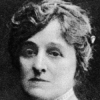
Edith Wharton
Edith Whartonwas a Pulitzer Prize-winning American novelist, short story writer, and designer. She was nominated for the Nobel Prize in Literature in 1927, 1928 and 1930. Wharton combined her insider's view of America's privileged classes with a brilliant, natural wit to write humorous, incisive novels and short stories of social and psychological insight. She was well acquainted with many of her era's other literary and public figures, including Theodore Roosevelt...
NationalityAmerican
ProfessionNovelist
Date of Birth24 January 1862
CityNew York City, NY
CountryUnited States of America
There was once a little girl who was so very intelligent that her parents feared that she would die. But an aged aunt, who had crossed the Atlantic in a sailing-vessel, said, 'My dears, let her marry the first man she falls in love with, and she will make such a fool of herself that it will probably save her life.
Staunch and faithful lovers that they are, they give back a hundred fold every sign of love that one ever gives them.
I'm afraid I'm an incorrigible life-lover, life-wonderer, and adventurer.
Make ones center of life inside ones self, not selfishly or excludingly, but with a kind of unassailable serenity.
I can't love you unless I give you up.
The moment my eyes fell on him, I was content.
Yes, one gets over things. But there are certain memories one can't bit on.
My little dog - a heartbeat at my feet.
Each time you happen to me all over again.
Everything about her was both vigorous and exquisite.
They seemed to come suddenly upon happiness as if they had surprised a butterfly in the winter woods
One can remain alive ... if one is unafraid of change, insatiable in intellectual curiosity interested in big things and happy in small ways.
Though he turned the pages with the sensuous joy of the book-lover, he did not know what he was reading, and one book after another dropped from his hand. Suddenly, among them, he lit on a small volume of verse which he had ordered because the name had attracted him: "The House of Life." He took it up, and found himself plunged in an atmosphere unlike any he had ever breathed in books; so warm, so rich, and yet so ineffebly tender, that it gave a new and haunting beauty to the most elementary of human passions.
If we'd stop trying to be happy we could have a pretty good time.