E. M. Forster
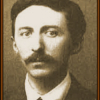
E. M. Forster
Edward Morgan Forster OM CHwas an English novelist, short story writer, essayist and librettist. He is known best for his ironic and well-plotted novels examining class difference and hypocrisy in early 20th-century British society. Forster's humanistic impulse toward understanding and sympathy may be aptly summed up in the epigraph to his 1910 novel Howards End: "Only connect ... ". His 1908 novel, A Room with a View, is his most optimistic work, while A Passage to Indiabrought him his greatest success. He was...
NationalityEnglish
ProfessionNovelist
Date of Birth1 January 1879
Ah, but you see, I didn't want to be fair.
They had nothing in common but the English language.
At the side of the everlasting why, is a yes, and a yes, and a yes.
Two cheers for Democracy; one because it admits variety, and two because it permits criticism.
We must be willing to let go of the life we have planned, so as to have the life that is waiting for us.
The four characteristics of humanism are curiosity, a free mind, belief in good taste, and belief in the human race.
Human beings have their great chance in the novel.
The king died and then the queen died is a story. The king died, and then queen died of grief is a plot.
Only a struggle twists sentimentality and lust together into love.
Tolerance is a very dull virtue. It is boring. Unlike love, it has always had a bad press. It is negative. It merely means putting up with people, being able to stand things.
Logic! Good gracious! What rubbish!
The woman who can't influence her husband to vote the way she wants ought to be ashamed of herself.
So, two cheers for Democracy: one because it admits variety and two because it permits criticism.
Railway termini are our gates to the glorious and the unknown