E. M. Forster
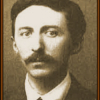
E. M. Forster
Edward Morgan Forster OM CHwas an English novelist, short story writer, essayist and librettist. He is known best for his ironic and well-plotted novels examining class difference and hypocrisy in early 20th-century British society. Forster's humanistic impulse toward understanding and sympathy may be aptly summed up in the epigraph to his 1910 novel Howards End: "Only connect ... ". His 1908 novel, A Room with a View, is his most optimistic work, while A Passage to Indiabrought him his greatest success. He was...
NationalityEnglish
ProfessionNovelist
Date of Birth1 January 1879
Neanderthal man listened to stories, if one may judge by the shape of his skull. The primitive audience was an audience of shock-heads, gaping around the camp-fire, fatigued with contending against the mammoth or wooly-rhinoceros, and only kept awake by suspense. What would happen next? The novelist droned on, and as soon as the audience guessed what happened next, they either fell asleep or killed him.
At night, when the curtains are drawn and the fire flickers, my books attain a collective dignity.
Science explained people, but could not understand them. After long centuries among the bones and muscles it might be advancing to knowledge of the nerves, but this would never give understanding
Either life entails courage, or it ceases to be life.
We are willing enough to praise freedom when she is safely tucked away in the past and cannot be a nuisance. In the present, amidst dangers whose outcome we cannot foresee, we get nervous about her, and admit censorship.
Faith, to my mind, is a stiffening process, a sort of mental starch.
Very notable was his distinction between coarseness and vulgarity, coarseness, revealing something; vulgarity, concealing something.
Letters have to pass two tests before they can be classed as good: they must express the personality both of the writer and of the recipient.
Only people who have been allowed to practise freedom can have the grown-up look in their eyes.
Railway termini are our gates to the glorious and the unknown. Through them we pass out into adventure and sunshine, to them, alas! we return.
The sort of poetry I seek resides in objects man can't touch.
We cast a shadow on something wherever we stand.
The king died and then the queen died is a story. The king died, and then queen died of grief is a plot.
Only a struggle twists sentimentality and lust together into love.