Ban Ki-moon
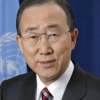
Ban Ki-moon
Ban Ki-moonis a South Korean statesman and politician who is the eighth and current Secretary-General of the United Nations. Before becoming Secretary-General, Ban was a career diplomat in South Korea's Ministry of Foreign Affairs and in the United Nations. He entered diplomatic service the year he graduated from university, accepting his first post in New Delhi, India...
NationalitySouth Korean
ProfessionPolitician
Date of Birth13 June 1944
children education equality good human lifts people privileged teaches
Education promotes equality and lifts people out of poverty. It teaches children how to become good citizens. Education is not just for a privileged few, it is for everyone. It is a fundamental human right.
advancing change climate connect dots economic energy food global health lifting people problem saving security solutions water women
Saving our planet, lifting people out of poverty, advancing economic growth... these are one and the same fight. We must connect the dots between climate change, water scarcity, energy shortages, global health, food security and women's empowerment. Solutions to one problem must be solutions for all.
days died duty earliest guard included line member nations norwegian palestine people sad shot since toll undeniable united
It is a sad but undeniable reality that people have died in the line of duty since the earliest days of the United Nations. The first was Ole Bakke, a Norwegian member of the United Nations guard detachment, shot and killed in Palestine in 1948. The toll since then has included colleagues at all levels.
millions people record united
The United Nations has a proud record of helping millions of people in mine-affected countries.
banner blue continue flag hard hope human meet millions people prepare second term work
As I prepare for my second term as Secretary-General, I am thinking hard about how we can meet the expectations of the millions of people who see the U.N.'s blue flag as a banner of hope. We have to continue our life-saving work in peacekeeping, human rights, development and humanitarian relief.
both cannot civilian effects legitimate morally necessity nuclear people practical protecting weapons
People understand that nuclear weapons cannot be used without indiscriminate effects on civilian populations. Such weapons have no legitimate place in our world. Their elimination is both morally right and a practical necessity in protecting humanity.
annals ensure history hopes human nations people power truly united
I will do everything in my power to ensure that our United Nations can live up to its name, and be truly united; so that we can live up to the hopes that so many people around the world place in this institution, which is unique in the annals of human history.
accelerate achieve across agenda aim beyond bodies bold define efforts millennium offer people period programme role time unicef venues volunteers
At a time when we aim to accelerate our efforts to achieve the Millennium Development Goals and define a bold agenda for the period beyond 2015, the role of charity can and should grow. U.N. bodies such as the U.N. Volunteers Programme and UNICEF offer venues for people across the world to get involved.
athletes believes countries country doors establish korea olympics opened peace people power prize roots sports summer
Not many countries establish a prize for peace. The Seoul Peace Prize has its roots in the 1988 Summer Olympics when this country opened its doors to people and athletes from more than 160 countries. Korea did so in part because it believes in the power of sports for peace and development.
access buying digital everywhere explosion global goods information knowledge means mobile people phones selling services vast
The explosion in access to mobile phones and digital services means that people everywhere are contributing vast amounts of information to the global knowledge warehouse. Moreover, they are doing so for free, just by communicating, buying and selling goods and going about their daily lives.
regret people leader
I have been urging the leaders to listen to the aspirations and challenges of their own people, and engage in dialogue and take very bold measures. Normally, to their regret, these measures and bold reforms come too late, too little.
country people leader
The future of any leader or political systems is to be determined by the people of the country.
past people leader
We have seen in the past where leaders have not been open-minded or have not been flexible. That's why the people came out to the streets and shouted and chanted for more reforms and more freedoms.
differences diversity people
It has been said that knowledge is power. We need to strengthen education systems so that young people can benefit from cultural diversity, and not be victimized by those who exploit differences.