Ban Ki-moon
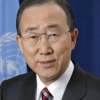
Ban Ki-moon
Ban Ki-moonis a South Korean statesman and politician who is the eighth and current Secretary-General of the United Nations. Before becoming Secretary-General, Ban was a career diplomat in South Korea's Ministry of Foreign Affairs and in the United Nations. He entered diplomatic service the year he graduated from university, accepting his first post in New Delhi, India...
NationalitySouth Korean
ProfessionPolitician
Date of Birth13 June 1944
advance career country deliver determined experience grew help human led meaningful nations peace public pursue recover results saw united war
I grew up in war and saw the United Nations help my country to recover and rebuild. That experience was a big part of what led me to pursue a career in public service. As Secretary-General, I am determined to see this organization deliver tangible, meaningful results that advance peace, development and human rights.
athletes believes countries country doors establish korea olympics opened peace people power prize roots sports summer
Not many countries establish a prize for peace. The Seoul Peace Prize has its roots in the 1988 Summer Olympics when this country opened its doors to people and athletes from more than 160 countries. Korea did so in part because it believes in the power of sports for peace and development.
country mean korea
Reason doesn't mean very much in a country like North Korea.
country people leader
The future of any leader or political systems is to be determined by the people of the country.
country sex struggle
To those who are gay, lesbian, bisexual,or transgender-let me say- you are not alone. You're struggle, for the end to violence and discrimination, is a shared struggle. Today, I stand with you. And I call upon all countries and people, to stand with you too.A historic shift is underway. We must tackle the violence, decriminalize consensual same sex relationships and end discrimination. We must educate the public. I call on this council and people of conscience to make this happen.The time has come.
country war acceptance
Millions of people in nearly 80 countries still live in fear of landmines and explosive remnants of war, which take an unacceptable toll on lives and limbs, and people's livelihoods
country men effort
Today, we have more than 110,000 men and women deployed in conflict zones around the world. They come from nearly 120 countries ... Thanks to their efforts, life-saving humanitarian assistance can be delivered and economic development can begin.
country weather events
Extreme weather events continue to grow more frequent and intense in rich and poor countries alike, not only devastating lives, but also infrastructure, institutions, and budgets - an unholy brew which can create dangerous security vacuums.
country voice climate-change
A deal must include an equitable global governance structure. All countries must have a voice in how resources are deployed and managed.
country community domestic-violence
There is one universal truth, applicable to all countries, cultures and communities: violence against women is never acceptable, never excusable, never tolerable.
country children mean
Countries with more gender equality have better economic growth. Companies with more women leaders perform better. Peace agreements that include women are more durable. Parliaments with more women enact more legislation on key social issues such as health, education, anti-discrimination and child support. The evidence is clear: equality for women means progress for all,
country commitment passion
As the young leaders of tomorrow, you have the passion and energy and commitment to make a difference. What I'd like to really urge you do is to have a global vision. Go beyond your country; go beyond your national boundaries
effective far government less money negotiate operate places shown studies time toughest
The U.N.'s impartiality allows it to negotiate and operate in some of the toughest places in the world. And time and again, studies have shown that U.N. peacekeeping is far more effective and done with far less money than what any government can do on its own.
agencies armed charitable conflicts continue donations public rely response work
The U.N.'s humanitarian agencies rely on charitable donations from the public as well as the generosity of governments to continue their lifesaving work in response to natural disasters, armed conflicts and other emergencies.