Alex Berenson
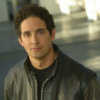
Alex Berenson
Alex Berensonis a former reporter for The New York Times and the author of several thriller novels and a book on corporate financial filings...
NationalityAmerican
ProfessionAuthor
Date of Birth6 January 1973
CountryUnited States of America
charged companies fee sell shares standard
For decades, Wall Street has charged companies a standard fee of 7 percent to sell their shares to the public.
buy executives rarely sell shares stocks
Corporate executives often buy or sell shares in their companies, and stocks rarely rise or fall significantly when those transactions are reported.
bonds capital competing corporate economic finance government interest invest otherwise raise sell stocks
To finance deficits, the government must sell bonds to investors, competing for capital that could otherwise be used to invest in stocks or corporate bonds. Government borrowings raise long-term interest rates, stifling economic growth.
offering primary responsibility selling street wall
While Wall Street firms typically underwrite offerings in teams, the lead underwriter, or manager, of the offering has primary responsibility for selling the offering and reaps much of the fees and profit.
buy buyers costs directly generally investors lower sell shares spread trade
The lower spreads mean lower costs for investors, because Nasdaq investors generally do not trade directly with one another. Instead, they usually buy and sell from market-makers, brokerage firms that flip shares between buyers and sellers and keep the spread for themselves.
buyers cents gaps means pays seller share shares spread
Bigger spreads mean bigger gaps between what buyers pay and sellers receive. For example, a spread of 10 cents a share means that the buyer pays $100 more for 1,000 shares than the seller receives.
buy delivered exchange floor human investors larger matched orders sell single small specialist stock system trades view york
On the New York Stock Exchange, all buy and sell orders are routed through a single 'specialist,' guaranteeing that most small trades can be matched directly. But most larger trades are delivered to the specialist on the floor of the exchange by human brokers, a system that big investors view as increasingly inefficient.
charge companies developer doctors encourage fear leading plans pricing
Because Genentech is a leading developer of cancer therapies, some doctors also fear that the company's pricing plans for Avastin - around $8,800 a month - may encourage other companies to charge more for their own oncology drugs.
ads america click forcing hard offers trial
America Online, of course, is a master of the hard sell, from stuffing mailboxes with free trial offers to forcing subscribers to click through ads before they can get their e-mail.
although corporate crucial known largest mac role wall
Although not well known outside Wall Street, Freddie Mac and its corporate cousin, Fannie Mae, are two of the world's largest financial institutions and play a crucial role in the housing market.
initial public systems technology
A vote of confidence from Cisco Systems can be very important to fledging technology companies, especially if they have initial public offerings on the horizon.
initial investors longer money pays people scheme
In a Ponzi scheme, a promoter pays back his initial investors with money he has raised from new investors. Eventually, the promoter can no longer find enough new investors to pay off the people who have already put up money, and the scheme collapses.
automated becoming call centers eventually identify obvious reducing speakers
Automated call centers are only the most obvious way speech recognition will be used. The software is now becoming sophisticated enough to identify speakers through 'voiceprints,' akin to fingerprints, eventually reducing the need for personal identification numbers.
common distressed home junk martha michael might seem
At first glance, Martha Stewart, queen of artfully distressed home furnishings, might not seem to have much in common with Michael R. Milken, one-time king of junk bonds.