Aeschylus
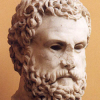
Aeschylus
Aeschyluswas an ancient Greek tragedian. His plays, alongside those of Sophocles and Euripides, are the only works of Classical Greek literature to have survived. He is often described as the father of tragedy: critics and scholars' knowledge of the genre begins with his work, and understanding of earlier tragedies is largely based on inferences from his surviving plays. According to Aristotle, he expanded the number of characters in theater to allow conflict among them, whereas characters previously had interacted only...
NationalityGreek
ProfessionPoet
hate heart hatred
For the poison of hatred seated near the heart doubles the burden for the one who suffers the disease; he is burdened with his own sorrow, and groans on seeing another's happiness.
hate disease traitor
I have learned to hate all traitors, and there is no disease that I spit on more than treachery.
hate hands enemy
There is no disgrace in an enemy suffering ill at an enemy's hand, when you hate mutually.
hate fate men
For this our task hath Fate spun without fail to last for ever sure, that we on man weighed down with deeds of hate should follow till the earth his life immure. Nor when he dies can he boast of being truly free.
death hate men
Unjustly men hate death, which is the greatest defence against their many ills.
advice rebuke
to give advice and to rebuke the sufferer.
gods greek-poet rail upright
For this is the mark of a wise and upright man, not to rail against the gods in misfortune.
evil far ignorant rather wise
I would far rather be ignorant than wise in the foreboding of evil.
greek-poet mother obedience parent success
Obedience is the mother of success, and success the parent of salvation.
happiness prayer mind
But from the good health of the mind comes that which is dear to all and the object of prayer-happiness.
wise believe pride
Search well and be wise, nor believe that self-willed pride will ever be better than good counsel.
greek-poet man
The man who does ill must suffer ill.
greek-poet
Bronze in the mirror of the form, wine of the mind.
greek-poet spilt
What atonement is there for blood spilt upon the earth?